從你的狗身上收集尿液樣本可能看起來很嚇人, 但這是維持健康的重要一步. Veterinarians often request urine samples to screen for underlying issues such as urinary tract infections, kidney disease, or even diabetes. This practical, step-by-step guide will help you confidently collect a urine sample from your dog and deliver it to your vet for accurate diagnosis and treatment.
Why Do Vets Require Dog Urine Samples?
Urinalysis is a valuable tool for veterinarians. Testing your dog’s urine can uncover:
- Urinary tract infections (UTIs)
- Kidney problems
- Diabetes
- Bladder stones
- Signs of dehydration or overhydration
By providing a clean urine sample, you help your veterinarian evaluate your dog’s health and determine the most appropriate care plan.
What Supplies Will You Need?
Before you start, gather the following items:
- A shallow collection tray: A clean plastic lid, disposable bowl, or even a repurposed takeout container works well.
- Disposable gloves: For hygiene and to avoid contaminating the sample.
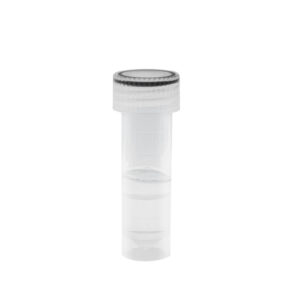
- Urine collection container: Ask your veterinarian for one, or purchase from a pharmacy.
- Leash: Useful for guiding and steadying your dog during collection.
- Labels and a pen: Clearly note your dog’s name, along with the date and time of collection.
Step-by-Step Instructions for Collecting Dog Urine
1. Prepare the Collection Tray
- Clean thoroughly: Wash the tray with mild soap, rinse well, and ensure it’s completely dry. Any leftover soap or water can affect test results.
- Plan for timing: If your veterinarian requests a first-morning sample, have your materials ready before your dog’s first walk.
2. Set the Scene
- Leash your dog (if needed): This helps you guide your dog to the right spot and keep them steady.
- Choose a familiar spot: Dogs are more likely to urinate in their usual potty area.
3. Collect the Sample
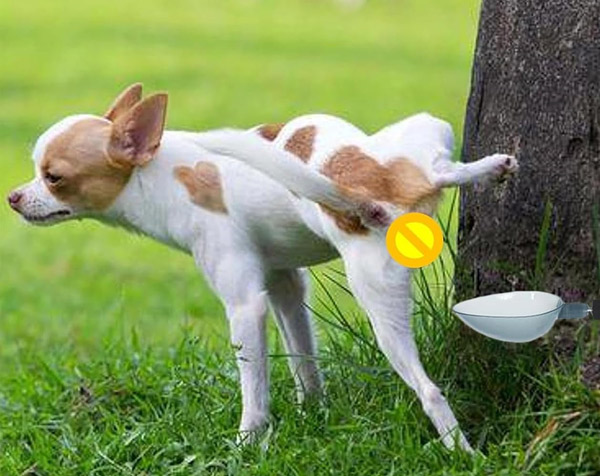
- Act quickly and calmly: As your dog begins to urinate, gently slide the tray under the urine stream, aiming for a “mid-stream” sample.
- Transfer the urine: Pour the collected urine into the sterile container, collecting at least 1–2 tablespoons if possible.
4. Label and Store
- Label promptly: Write your dog’s name, your name, and the collection time on the sample container.
- Refrigerate if necessary: If you can’t bring the sample to your vet immediately, refrigerate it for up to 12 小時.
Tips for Success
- Confirm with your vet how much urine is needed—usually just a small amount.
- Collect the sample in one attempt rather than combining multiple small samples.
- Be patient: Some dogs take longer to relax. Offer gentle praise or treats for positive reinforcement.
What If You Can’t Get a Sample?
If your dog is anxious, uncooperative, or you’re struggling to collect a sample:
- Contact your vet: Some clinics can collect a sample directly using a catheter or a quick, painless bladder tap (cystocentesis).
- Ask about special tools: Some vets offer non-absorbent litter or other collection aids for indoor or small dogs.